Whether you're a complete beginner or someone looking to refine your skills, attending a pottery demonstration or class offers a unique opportunity to explore the ancient craft of ceramics. From the satisfying feeling of shaping clay on the wheel to the creative freedom of hand-building techniques, pottery provides a tactile and meditative experience that few other hobbies can match. If you're considering signing up for your first session, here's what you can expect and how to make the most of it.
Choosing between a demonstration and a class
Before you book, it's worth understanding the difference between a pottery demonstration and a hands-on class. A demonstration is typically a passive experience where a skilled potter showcases their techniques, explains their process, and answers questions from the audience. It's ideal if you want to learn about pottery without getting your hands dirty, or if you're curious about specific methods like wheel throwing or glazing.
A pottery class, on the other hand, is interactive. You'll be working with clay yourself, guided by an instructor who'll teach you fundamental skills and help you troubleshoot along the way. Classes can range from single sessions to multi-week courses, so you can choose the level of commitment that suits your schedule and interest.
What happens during a typical pottery class
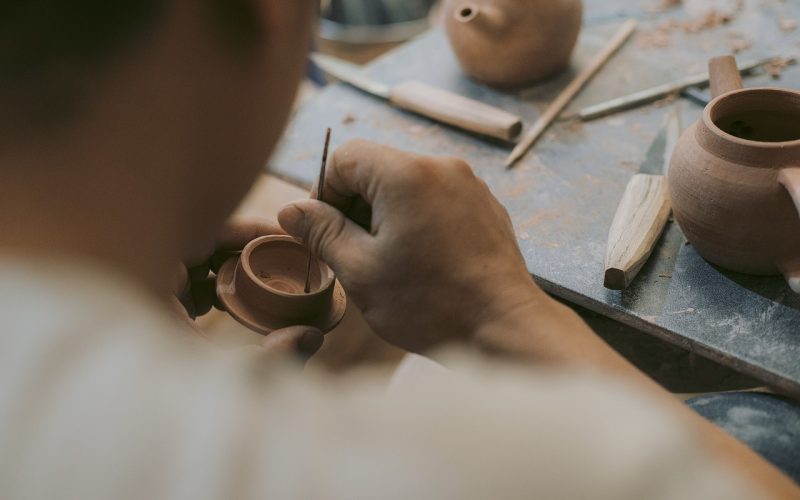
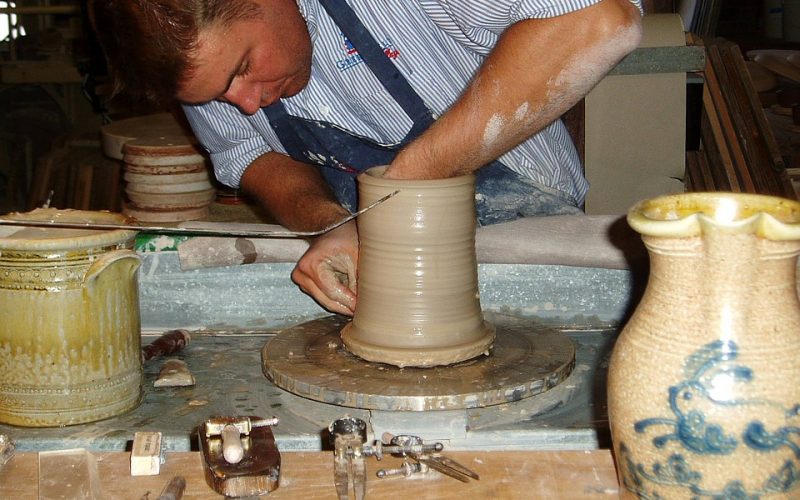
Most beginner pottery classes start with an introduction to the materials and tools you'll be using. Your instructor will explain the different types of clay, their properties, and which techniques work best for each. You'll also get familiar with basic equipment such as pottery wheels, ribs, sponges, and wire cutters.
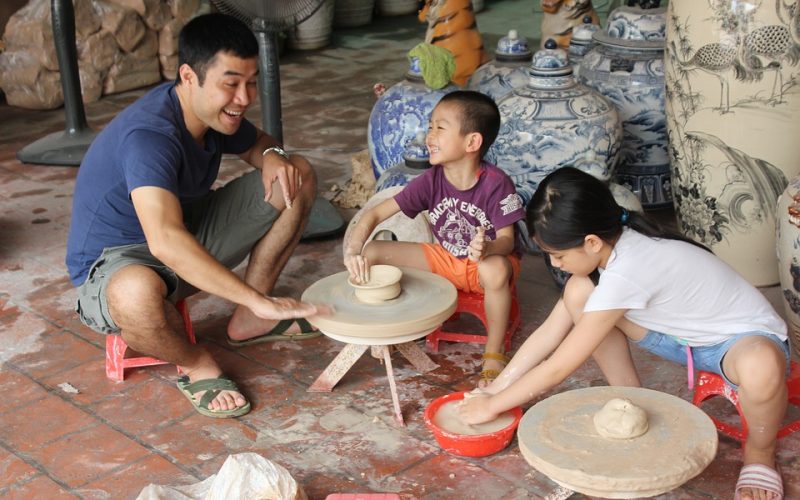
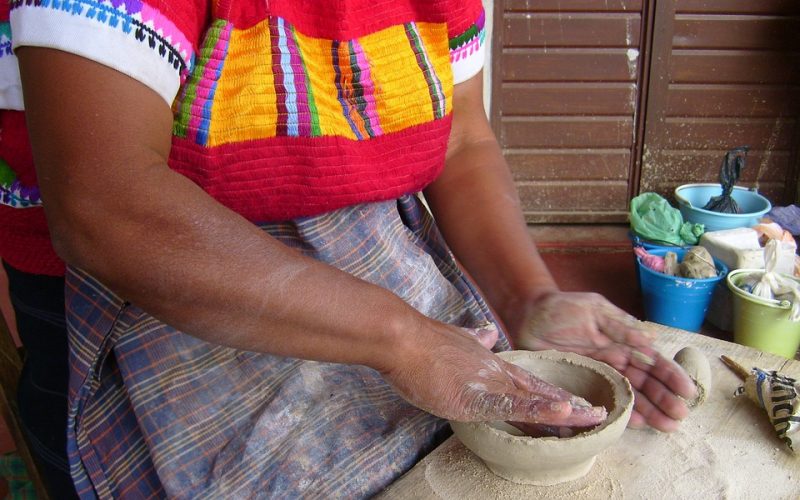
From there, you'll typically be introduced to one of two main techniques: wheel throwing or hand-building. Wheel throwing involves shaping clay on a spinning pottery wheel, which requires practice and patience to master. Hand-building techniques, such as pinch pots, coil building, and slab construction, allow you to create forms without a wheel and are often easier for beginners to grasp.
Throughout the session, your instructor will demonstrate each step and then give you time to practise. Don't worry if your first attempts don't turn out perfectly—pottery is as much about the process as it is about the final product. Most instructors encourage experimentation and are there to offer helpful feedback along the way.
What to wear and bring
Pottery can be messy, so it's best to wear comfortable, casual clothing that you don't mind getting clay on. An apron is usually provided, but it's a good idea to avoid wearing anything too precious. Closed-toe shoes are recommended for safety, and it's wise to tie back long hair to keep it out of the way.
Most studios provide all the necessary materials and tools, so you typically don't need to bring anything other than yourself and an open mind. However, if you have any specific questions or goals for the session, jotting them down beforehand can help you get the most out of your time with the instructor.
The glazing and firing process
One aspect of pottery that often surprises beginners is that you won't leave with a finished piece after your first session. Once you've shaped your clay, it needs to dry completely before it can be fired in a kiln. This first firing, known as bisque firing, makes the clay hard and durable.
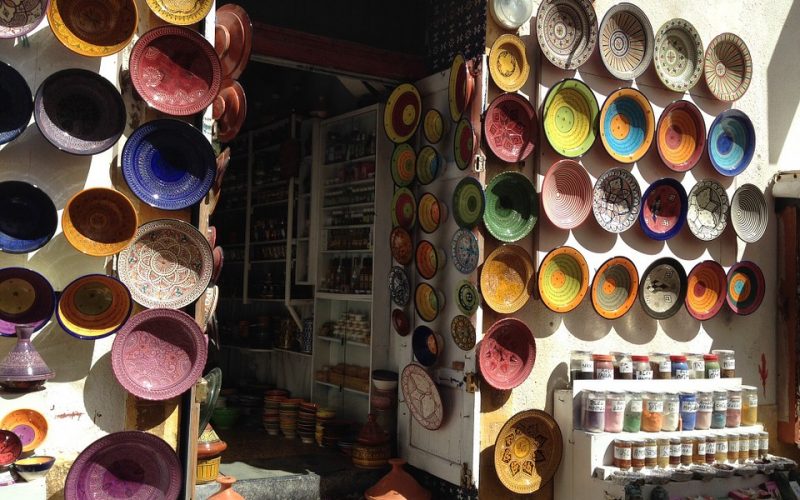
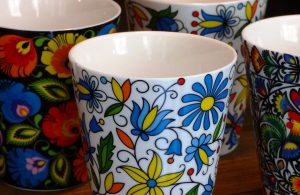
After bisque firing, you'll have the opportunity to apply glaze—a glass-like coating that adds colour and texture to your work. The piece is then fired again at a higher temperature, which melts the glaze and gives your pottery its final finish. Depending on the studio, this process can take several days or even weeks, so be prepared to collect your finished work at a later date.
Making the most of your experience
Attending a pottery demonstration or class is not just about learning a new skill—it's also a chance to unwind, express your creativity, and connect with others who share your interest. Don't be afraid to ask questions, make mistakes, or try something unconventional. Pottery is a forgiving medium, and even so-called "failures" can teach you valuable lessons.
If you enjoy your first session, many studios offer ongoing classes or open studio time where you can continue practising. With patience and persistence, you'll find yourself developing techniques and creating pieces you're genuinely proud of.